

Vibe Coding 101: The $4 Million Decision Your Engineering Team Is Making Without You
Your senior developers are already using AI to write code. Not because they asked permission, but because it makes their lives easier. They're quietly using ChatGPT and tools like Cursor on side projects, experiencing 2-3x speed gains, while your official development processes still move like it's 2020.
I know this because I'm doing it too. I've been using Claude Code on side projects for greebookai.com, and I'm seeing those same 2-3x productivity gains. What used to take me a weekend now takes an evening. The difference is real, and it's happening right now outside your official processes.
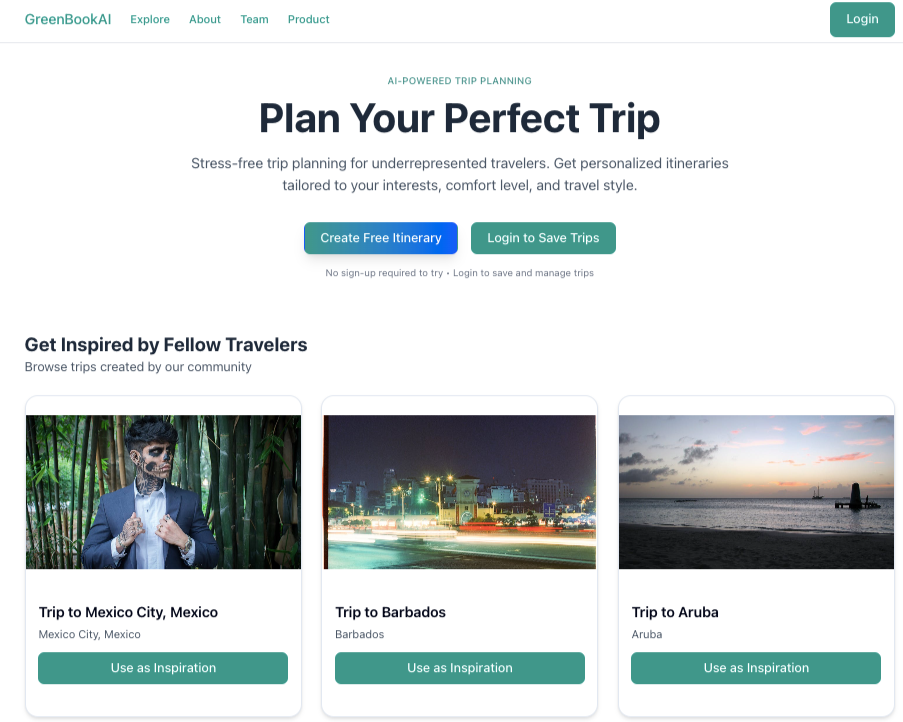
GreenBookAI Home Page Upgraded Thanks To Vibe Coding. Please visit https://greenbookai.com/ for more
This creates an awkward situation: your engineers know there's a better way, but your company hasn't figured out how to capture it. And your 2026 budget planning is happening right now.
Let's Talk Numbers
Forget the hype for a second and think about your actual budget. If you're spending $10M on development, research from Publicis Sapient shows you could potentially deliver 40-60% more output with AI assistance. That's not $4M in savings, it's the difference between shipping 12 features next year versus 20.
But here's the honest part: you need to invest upfront. Maybe $300-500K for proper tools, some training, and building guardrails. The pitch isn't "fire developers and save money." It's "keep the same team and deliver way more value, starting about six months from now."
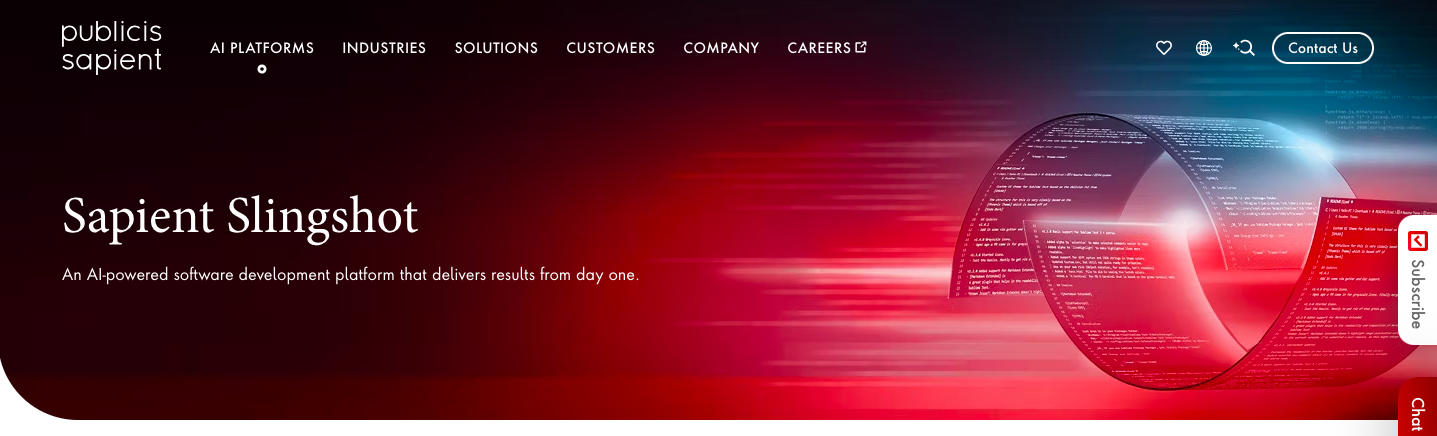
Companies using platforms like Sapient Slingshot report cutting engineering time by 50-70% during the actual coding phase. The catch? They're also spending 10-15% more time on reviews and security checks. Still, the net result is shipping 40-50% faster—if you set it up right.
Your Hiring Situation Just Changed - There is a new problem in town
This isn't a future problem. By next quarter, your recruiting team needs new answers.
The old interview question—"write this algorithm on the whiteboard"—doesn't work anymore. Anyone can generate decent code in seconds now. What matters is whether someone can design a system, spot when AI is leading them astray, and explain why one architectural choice beats another.

Your senior engineers are actually more valuable now, not less. They're the ones who can tell when AI-generated code looks good but will create a maintenance nightmare in three months. But you need to help them see their evolving role: less "I write all the code" and more "I architect systems and guide both junior developers and AI tools."
And when candidates ask about your AI strategy in interviews, "we're exploring it" is a red flag. It signals you're behind. Better answer: show them your framework for how you're using AI to amplify engineers, not replace them.
A Simple Way to Decide What's Safe
Not everything should be "vibe coded." Here's how to think about it:
Go for it on internal tools, prototypes, quick data dashboards, and one-off analysis. Anything where speed matters more than long-term maintenance.
Proceed carefully with new features on existing products—but have experienced engineers review everything. Same with new services that have clear boundaries.
Stay away from anything security-critical, payment processing, healthcare records, or systems where failure means regulatory problems or customer data exposure.
It's really about consequences. If your marketing analytics tool breaks, you make worse decisions for a day. If your payment system breaks, you lose customer trust and potentially face serious liability.
The Uncomfortable Part
Here's what worries me: in a couple years, there will be two types of companies. Some will have figured out how to use AI effectively with proper oversight. They'll deliver more while spending less. Others will be paying premium prices for a shrinking pool of developers who work the old way, watching competitors ship faster.
The winners aren't being reckless. They're being deliberate, building clear systems for when to use AI and when to rely on human expertise. That distinction is the actual competitive advantage.
As always, please leave your comments and questions. And if you're tinkering with questions like these, I'd be happy to help through my work with Publicis Sapient.